

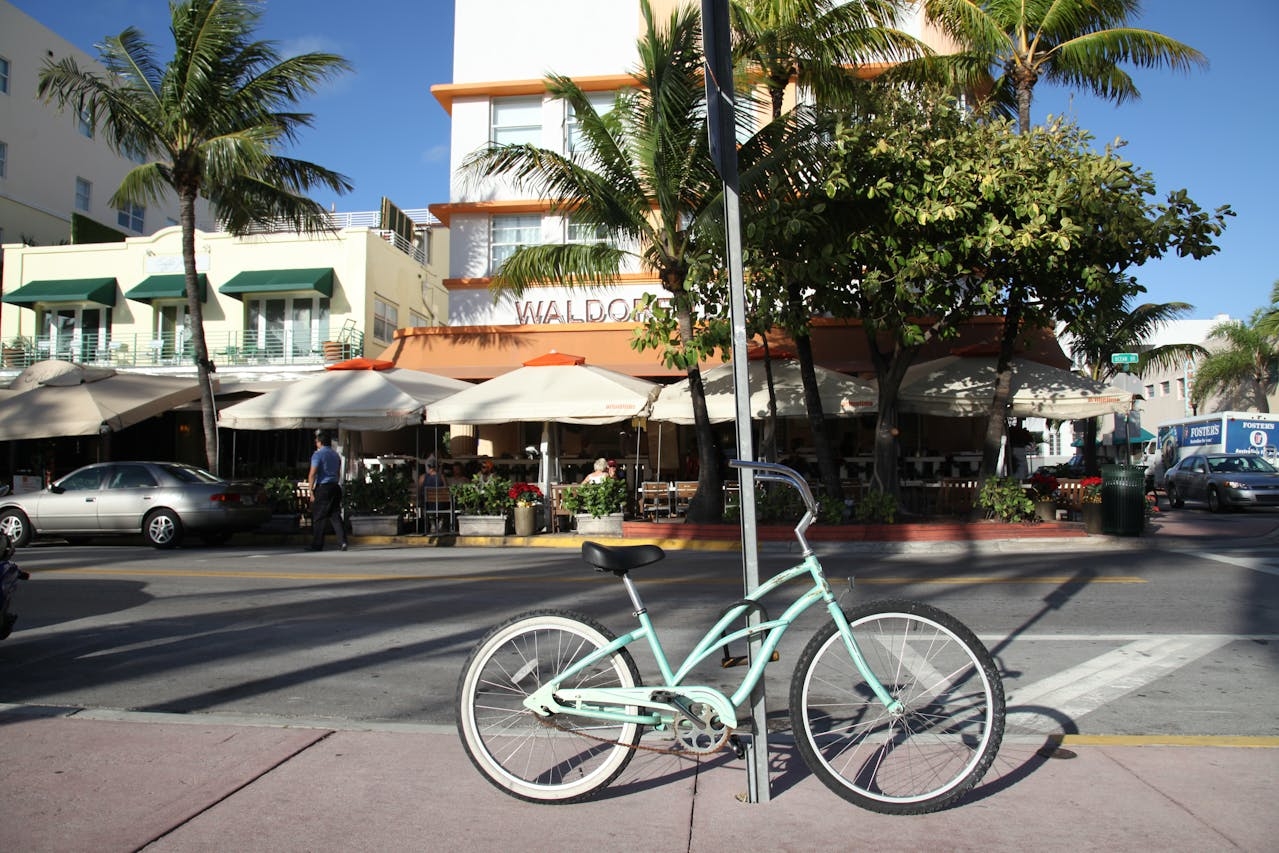
A bicycle crash can turn an ordinary day into a painful, confusing, and stressful situation. One moment, you are riding through Miami traffic, commuting to work, exercising, running an errand, or heading home. The next, you are on the pavement, your bike is damaged, your body hurts, and the driver is saying they “never saw you.”
Then the driver’s insurance company calls.
The adjuster might sound calm and helpful. They might say they only need your side of the story. They might ask how you are feeling, where you were riding, whether you were in a bike lane, whether you saw the vehicle, whether you were wearing a helmet, or whether you think you could have stopped in time.
Before you answer those questions casually, pause.
After a Miami bicycle accident, your words matter. A routine conversation can affect how the insurance company views your injuries, your credibility, and the question of fault. That does not mean you should panic or assume every call is hostile. It means you should know what is at stake before you give statements, sign forms, or accept an early settlement.
At the Law Office of Leonard J. Valdes, we understand how overwhelming a bicycle accident can be for injured riders and their families. Bicycle crash claims often involve more than a damaged bike. They can involve serious injuries, delayed symptoms, insurance disputes, roadway conditions, driver blame, and questions about how the crash will affect your work, mobility, and future.
If you or your loved one was hit while biking in Miami, this article explains what to know before speaking in detail with the driver’s insurance company.
Before You Talk to the Driver’s Insurance Company, Know Who They Represent
After a crash, many injured cyclists want to be cooperative. You might want to explain what happened. You might want the insurance company to understand that you were riding safely, following the rules, and had no time to react.
That instinct is understandable. It is also a reason to be careful.
The driver’s insurance company represents the driver’s policy and the insurer’s financial interests. The adjuster’s role is to investigate the claim, evaluate the facts, assess risk, and determine what the company believes it owes. That process can include looking for statements that affect fault, damages, or the value of the claim.
For example, if you say, “I’m okay,” before you understand the full extent of your injuries, the insurer can later point to that statement if your symptoms worsen. If you say, “I didn’t see the car until the last second,” the insurer can question whether you were paying attention. If you apologize because you are shaken or trying to be polite, the insurer can treat that apology as part of the fault discussion.
You do not need to be rude. You do not need to guess. You do not need to explain everything before you have medical answers and legal guidance.
A simple, careful response is often best: you were involved in a crash, you are seeking medical care, and you are not prepared to provide a full statement yet.
Why Miami Bicycle Accident Claims Are Often More Complicated Than They Seem
Miami can be a difficult place to ride safely. Cyclists share the road with commuters, rideshare drivers, delivery vehicles, tourists, commercial trucks, buses, and drivers rushing through intersections or turning across bike lanes. A bicycle accident can happen near a shopping plaza, in a residential neighborhood, along a busy corridor, outside an apartment complex, or in an area where traffic patterns are confusing.
After the crash, the driver might say:
- “I never saw the cyclist.”
- “The cyclist came out of nowhere.”
- “They were not riding where they should have been.”
- “They were going too fast.”
- “They moved into traffic suddenly.”
- “They were not wearing a helmet.”
Those statements do not decide the claim. They show why the facts need to be investigated carefully.
Florida law gives bicyclists both rights and responsibilities on the road. In many situations, cyclists have the same rights and duties that apply to drivers, subject to bicycle-specific rules and practical exceptions. Florida law also recognizes that cyclists are not always required to ride in the exact position a driver thinks they should. Road hazards, parked cars, debris, narrow lanes, turning movements, traffic conditions, and other safety concerns can all affect where a cyclist rides.
Drivers have responsibilities, too. A driver must keep a proper lookout, yield when required, pass safely, obey traffic controls, and avoid actions that put cyclists in danger. When a driver passes a bicycle in circumstances covered by Florida’s passing law, the driver must leave at least three feet of clearance and should not pass until that movement can be made safely.
That is why a bicycle accident claim should focus on the full picture, not only the driver’s first explanation.
Be Careful With Recorded Statements After a Bicycle Crash
One of the most important things to know is that you should be cautious before giving a recorded statement to the driver’s insurance company.
A recorded statement can sound routine. The adjuster might say it is needed to “process the claim” or “get your version of events.” The concern is that you can be asked detailed questions before you understand your injuries, before the crash has been fully investigated, and before you know how Florida law applies to your situation.
This is especially important after a bicycle accident because symptoms are not always clear right away. Adrenaline can mask pain. You might feel sore at the scene and then develop serious neck pain, back pain, headaches, dizziness, numbness, shoulder pain, knee pain, or signs of a concussion hours or days later.
If you give a recorded statement too early and downplay your symptoms, the insurance company can later compare your statement to your medical records. If your condition worsens, they can question whether the injuries came from the crash.
Adjusters can also ask questions that seem simple but create problems. They might ask whether you “could have avoided” the crash, whether you are “sure” the driver was speeding, or whether there was “anything else” you could have done. When you are in pain, stressed, or unsure of the details, it is easy to answer in a way that does not fully protect you.
Before giving a recorded statement, consider speaking with a Miami bicycle accident lawyer who can help you understand what is being asked and why it matters.
Get Medical Care Quickly, Even if You Think the Pain Will Pass
Many cyclists try to push through pain after a crash. You might stand up at the scene and think you are lucky. You might refuse an ambulance because you are embarrassed, worried about cost, or focused on getting home. You might tell yourself that the soreness will fade.
That can put both your health and your claim at risk.
Bicycle accident injuries can be serious even when there is no obvious broken bone or visible wound. Cyclists can suffer concussions, spinal injuries, herniated discs, torn ligaments, fractures, shoulder injuries, knee injuries, nerve damage, internal injuries, and severe road rash. Pain that seems manageable at first can become much worse once the shock wears off.
Prompt medical care does two important things. First, it protects your health. Second, it creates documentation that connects your symptoms to the crash. Your medical records can show what you reported, what doctors found, what treatment you needed, and how the injuries affected your daily life.
Medical timing is also important because Florida PIP benefits have specific rules. Florida’s PIP statute includes a 14-day initial-care requirement and may apply to certain people struck by motor vehicles while they are not occupying a self-propelled vehicle, subject to the statute, policy terms, coverage priority, and the facts of the crash. Not every bicycle accident claim works the same way, and available benefits can depend on the rider’s insurance status, household coverage, the driver’s coverage, and other details. Still, getting evaluated quickly helps protect your health, your documentation, and your ability to understand what insurance benefits may be available.
If the insurance company calls before you have seen a doctor, be careful. You do not yet know the full medical picture.
Preserve Evidence Before the Crash Scene Changes
Evidence can disappear quickly after a Miami bicycle accident. Skid marks fade. Vehicles are repaired. Damaged bikes are moved or discarded. Surveillance footage can be overwritten. Witnesses become difficult to locate. Road conditions can change.
If you are able to do so, preserve as much evidence as possible.
Take photos of your bicycle, the vehicle, the crash scene, traffic signs, lane markings, bike lanes, road hazards, debris, lighting, weather conditions, and your injuries. Keep your damaged bicycle, helmet, clothing, shoes, lights, backpack, and other gear. Do not repair or throw away important items until you have spoken with an attorney.
If there were witnesses, save their names and contact information. If the crash happened near a business, apartment building, parking lot, intersection, school, or public building, there could be cameras nearby. A lawyer can help identify potential video sources and send preservation requests before footage is lost.
This evidence can matter when the driver says you came out of nowhere, were not visible, or were partly responsible. The stronger the evidence, the clearer the picture of what happened becomes.
Be Thoughtful About Social Media While Your Claim Is Pending
After a bicycle accident, you might want to update friends and family. You might post a photo of your bike, your injuries, or the crash scene. You might write that you are “fine” because you do not want people to worry.
It is understandable to want support, but public posts can create problems during an injury claim.
Insurance companies and defense teams can review public social media activity. A post, photo, comment, check-in, or casual statement can be taken out of context. If you write that you are “okay,” the insurer can use that to question your injuries. If you post a photo that makes you look active, they can use it to challenge your pain, even if the photo does not show how you felt before or after it was taken.
You do not need to disappear from the internet, but you should avoid discussing the crash, your injuries, your medical treatment, the driver, the insurance company, or your claim online.
A good rule is simple: avoid posting anything about the accident or your recovery that could be misunderstood later.
Do Not Accept Blame Before the Facts Are Reviewed
Cyclists are often blamed after crashes. That does not mean the blame is accurate.
A driver can insist they never saw you, but drivers still have a responsibility to watch for cyclists. A driver can say you were too close to traffic, but the road layout, debris, parked cars, construction, narrow lanes, or safety conditions can explain why you were positioned where you were. A driver can question helmet use, but Florida law does not automatically make a cyclist responsible for a crash because they were not wearing a helmet. Helmet issues should be reviewed in context, along with the rider’s age, the injuries involved, the driver’s conduct, and the full facts of the collision.
Florida’s comparative fault law can affect injury claims. If an injured person is found partly responsible, compensation can be reduced by that percentage. In many Florida negligence cases, a person found more than 50 percent responsible for their own harm cannot recover damages. That makes it especially important not to guess, apologize, or accept blame before the facts are reviewed.
The driver’s version of events is not the final word. A careful investigation can show whether the driver failed to yield, turned unsafely, passed too closely, opened a door into your path, drove distracted, ignored traffic controls, or failed to keep a proper lookout.
What Compensation Can Cover After a Miami Bicycle Accident
Every case is different, and no attorney can promise a specific result. Still, an injured cyclist can pursue compensation for accident-related losses when the facts and law support a claim.
Those losses can include medical bills, future medical care, physical therapy, lost income, reduced earning ability, property damage, bike replacement, and other damages tied to the crash. In cases involving serious injuries, an injured cyclist may also be able to pursue non-economic damages such as pain and suffering, emotional distress, scarring, disability, mental anguish, and loss of enjoyment of life, depending on the facts, medical evidence, available insurance coverage, and Florida’s motor vehicle injury threshold.
The value of a bicycle accident claim depends on the severity of the injuries, available insurance coverage, how the crash happened, whether fault is disputed, how the injuries affect your life, and what medical evidence supports the claim.
That is why early legal guidance from a Miami personal injury lawyer can be so important. A strong claim is not built on frustration alone. It is built on evidence, medical documentation, legal strategy, and a clear explanation of how the crash changed your life.
How the Law Office of Leonard J. Valdes Helps Injured Cyclists in South Florida
At the Law Office of Leonard J. Valdes, we know a bicycle accident is not just a traffic incident. It can affect your mobility, your work, your income, your family responsibilities, your confidence, and your ability to enjoy your life.
Our approach is personal, practical, and medically informed. Because Leonard J. Valdes spent years treating personal injury patients as a licensed chiropractor before practicing law, he brings a valuable perspective to the injury, treatment, and recovery issues that often shape bicycle accident claims. That perspective matters when an insurance company questions pain, minimizes treatment, or overlooks the full impact of the crash.
When we handle a bicycle accident claim, we investigate the crash, identify responsible parties, preserve evidence, communicate with insurance companies, review medical records, document damages, and pursue the compensation available under the law with a strategy built around the facts, medical evidence, and insurance issues in your case. We take that burden seriously because our clients are often trying to heal while also dealing with medical bills, missed work, transportation problems, and pressure from insurers.
We also understand the local roads, traffic patterns, and insurance issues that affect bicycle accident claims in Miami, Homestead, Hialeah, Miami-Dade County, and surrounding South Florida communities.
Talk to a Miami Bicycle Accident Lawyer Before You Give a Detailed Statement
If you or your loved one was hit while biking in Miami, do not let the driver’s insurance company define the claim before you understand your rights. You deserve to know what happened, what evidence matters, what insurance coverage applies, and what steps can protect your recovery.
The Law Office of Leonard J. Valdes represents injured cyclists and accident victims throughout Miami, Homestead, Hialeah, Miami-Dade County, and South Florida. We are ready to listen to your story, explain your next steps, and help you move forward with dedicated, client-focused legal representation.
Contact us today to schedule a free consultation with a South Florida personal injury lawyer. Before you speak in detail with the driver’s insurance company, consider speaking with a firm that can help you understand your rights, your options, and the steps that may protect your claim. You can also use our online contact form to share what happened and learn more about your options.
Disclaimer: The articles on this blog are for informative purposes only and are no substitute for legal advice or an attorney-client relationship. If you are seeking legal advice, please contact our law firm directly.