

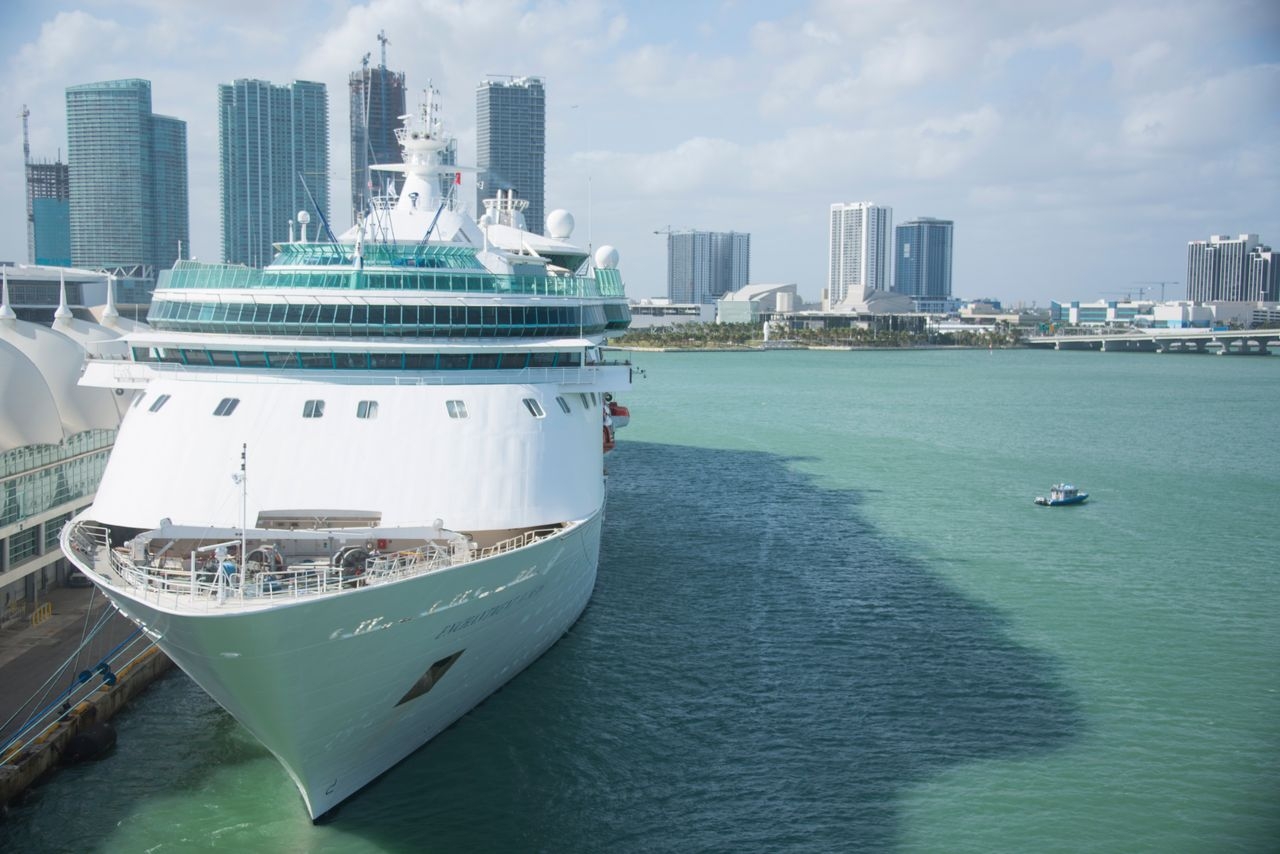
A cruise from Miami is supposed to feel like a break from everyday stress. You board the ship, settle into your cabin, and expect the cruise line to provide a reasonably safe environment while you are onboard.
When you are injured, that sense of ease can disappear quickly.
You may be dealing with pain, medical care on the ship, questions from crew members, and forms you do not fully understand. After the ship returns to PortMiami, the situation can become even harder to sort through. If your injury is serious, you may be worried about follow-up treatment, missed work, travel costs, and whether the cruise line will take responsibility for what happened.
One of the most important things to understand is that cruise ship injury claims often have shorter notice and filing deadlines than many passengers expect.
If you were injured on a cruise from Miami, the deadlines for giving written notice and filing a lawsuit are often controlled by federal maritime law and the cruise ticket contract, not the standard Florida personal injury deadline that applies to many land-based negligence claims.
Because those deadlines can arrive while you are still receiving care or sorting through what happened, timing matters from the beginning.
Below, we explain why cruise injury claims are different, how the fine print in your cruise ticket can affect your case, and what steps can help protect your claim before important deadlines pass.
Why Cruise Injury Deadlines Are Different from Land-Based Injury Claims
Many injured passengers assume that being hurt on a cruise ship works like a car accident, slip and fall, or premises liability claim on land. That assumption can create problems because cruise injury claims often involve maritime law, passenger ticket terms, written notice requirements, and venue rules that affect where and when a lawsuit must be filed.
The ticket contract is especially important because it can set deadlines that are much shorter than a passenger expects, especially if they assume a longer Florida deadline applies.
That can feel unfair because the ticket contract is not usually the first thing on anyone’s mind after an injury onboard. Most people are focused on getting care, returning home, and figuring out how badly they are hurt.
Still, the contract and its exact language can affect your rights. If a deadline passes, the cruise line may argue that the claim cannot move forward, even before the facts are fully reviewed.
How Soon Do You Need to Give Written Notice After a Cruise Injury?
Before a cruise injury lawsuit is ever filed, many passenger ticket contracts require the injured passenger to give the cruise line formal written notice of the claim. For many major cruise lines, that deadline is six months or a similar period stated in the ticket contract.
This written notice requirement is separate from the deadline to file a lawsuit. In practice, written notice tells the cruise line that you were injured and are pursuing a claim. The contract can also specify what the notice must include, where it must be sent, and how it must be delivered.
That distinction matters because passengers often assume they have already “reported” the claim when they speak with ship security, visit the ship’s medical center, fill out an incident report, or contact customer service after returning home. Those steps can help document what happened, but passengers should not assume they satisfy the formal written notice requirement unless the ticket contract, the facts, and applicable law support that conclusion.
If you were hurt on a cruise from Miami, the better approach is to have the ticket contract reviewed early. Waiting until your treatment is finished or your symptoms are fully understood can create unnecessary risk because the written notice deadline can arrive while you are still dealing with the medical, financial, and practical effects of the injury.
How Long Do You Have to File a Cruise Ship Injury Lawsuit?
Written notice does not preserve the claim by itself. Federal maritime law generally gives three years to bring a personal injury or death action arising from a maritime tort. However, cruise passenger ticket contracts often shorten that timeline by requiring written notice within six months and a lawsuit within one year, when those contract terms apply.
When the ticket contract applies, that one-year lawsuit deadline can be one of the most important differences between a cruise ship injury claim and many personal injury claims on land. That shorter deadline can come as a shock when you are still getting medical care, waiting to understand the full extent of your injuries, or trying to figure out how the accident will affect your work, travel, mobility, and daily life.
This is why it is important not to confuse ongoing communication with the cruise line for legal action. Emails, phone calls, claim forms, or settlement discussions do not necessarily protect your right to sue. If a lawsuit becomes necessary, it generally must be filed in the proper court before the contractual deadline expires.
Why Your Cruise Ticket Matters After a Miami Departure
Many Miami cruise injury claims involve trips that departed from PortMiami. Whether the injury happened while boarding, onboard the ship, during the voyage, or while leaving the ship, the ticket contract, itinerary, and departure point can still affect how the claim is evaluated.
Your cruise ticket contract may do more than set deadlines. It may also identify where a lawsuit must be filed. In some cruise injury cases involving a Miami departure, the ticket terms may require the lawsuit to be filed in federal court in the Southern District of Florida or, depending on the contract and jurisdictional issues, in a court located in Miami-Dade County.
This can feel confusing if you live outside Florida, were hurt in international waters, or were injured during a cruise that stopped in another country. The location of the injury matters, but it is not the only detail that can shape the claim. The cruise line, itinerary, port of departure, ticket contract, and facts of the incident all need to be reviewed together.
A Miami cruise ship accident lawyer can help identify the deadlines, notice requirements, and filing rules that apply before a missed step affects where, when, or how the claim can move forward.
What Kinds of Cruise Injuries Should Be Reviewed by a Lawyer?
Not every injury on a cruise leads to a legal claim. Cruise lines are not automatically responsible simply because someone was hurt onboard. A claim usually needs to be evaluated based on the facts, available evidence, ticket-contract terms, and whether the cruise line failed to use reasonable care under the circumstances.
Cruise ship injury claims can involve:
- Slip and fall accidents: Wet decks, recently mopped floors, spilled liquids, poor drainage, uneven surfaces, or missing warning signs can create serious hazards.
- Trip and fall hazards: Raised thresholds, loose carpeting, poor lighting, broken stairs, or cluttered walkways can cause passengers to fall.
- Pool and deck injuries: Crowded pool areas, slippery surfaces, unsafe railings, or inadequate supervision can increase the risk of injury.
- Elevator or stairway incidents: Malfunctioning elevators, defective handrails, broken steps, poor lighting, or unsafe stairway conditions can cause serious falls and should be reviewed carefully.
- Shore excursion injuries: Accidents during cruise-sponsored or cruise-promoted activities, transportation, boat transfers, or other port-stop excursions can raise separate questions about the cruise line, the excursion operator, and the ticket contract.
- Food-related illness or allergic reactions: Unsafe food handling, contamination, or failure to address known allergy concerns can require investigation.
- Assaults or security-related incidents: Negligent security, poor monitoring, or an inadequate response can be relevant when a passenger is harmed by another person.
- Shipboard medical care concerns: Delayed evaluation, inadequate response to worsening symptoms, or concerns about the care provided onboard can affect a passenger’s health and may need to be reviewed under maritime law.
The question is not only whether an injury happened. The question is whether the facts show that the cruise line failed to use reasonable care under the circumstances.
What Should You Do if You Are Injured on a Cruise Ship?
After an injury at sea, you do not need to know every legal rule right away. Your first priority is your health. At the same time, the details can fade quickly, and much of the evidence may be in the cruise line’s control.
If you are injured on a cruise, these steps can help protect both your health and the facts:
- Report the incident onboard: Ask that an official report be created, and request a copy if one is available.
- Get medical attention: Visit the ship’s medical center if needed, and follow up with a doctor after returning home.
- Document the scene: Take photos or videos of the hazard, your injuries, footwear, lighting, warning signs, and the surrounding area.
- Get witness information: Names, phone numbers, cabin numbers, and emails can be helpful if other passengers or crew members saw what happened.
- Keep cruise documents: Save your ticket contract, booking confirmation, itinerary, boarding documents, emails, app messages, receipts, and medical records.
- Be careful with recorded statements: Before giving a detailed statement to the cruise line or an insurer, make sure you understand your rights and the deadlines that apply.
- Speak with a cruise ship injury attorney in Miami, FL as soon as possible: The Law Office of Leonard J. Valdes can review the ticket contract, identify the deadlines that apply, and help preserve important evidence.
Cruise lines can have access to records and evidence that passengers do not, including surveillance footage, incident reports, maintenance records, crew reports, and internal communications. Acting quickly can help identify what should be requested before important details become harder to prove.
Why Waiting Can Make a Cruise Injury Claim Harder to Prove
A one-year lawsuit deadline can sound like plenty of time. In reality, cruise injury claims often require careful review long before that deadline approaches.
The longer you wait, the harder it can be to connect the injury to what happened onboard. Medical gaps can raise questions about causation. Witness memories can fade. Important records, surveillance footage, and witness details may also become less available over time.
Early review does not mean every injury leads to a lawsuit. It means the deadlines, ticket contract, medical records, and available evidence should be evaluated before the claim becomes more difficult to understand or prove.
For that reason, it is important to review the claim as soon as possible after the injury, especially if the cruise departed from Miami or the ticket contract identifies where the case must be filed.
Talk to a Miami Cruise Ship Accident Lawyer About Your Injury
If you or your loved one was hurt during a cruise that departed from Miami, the next step is not just to report what happened. It is to understand how the cruise ticket, filing rules, and available evidence may affect your options.
At the Law Office of Leonard J. Valdes, we help injured passengers understand their rights after serious cruise ship accidents. Our team brings a careful, professional, and evidence-focused approach to personal injury cases, and we know how overwhelming it can feel when a cruise line, insurer, or claims representative begins asking questions before you have answers of your own.
If you were injured onboard a cruise ship, during boarding or disembarkation, or after a trip through PortMiami, contact our office to discuss your situation. We serve injured passengers from our Miami office, with additional locations in Hialeah and Homestead by appointment.
We can review what happened, examine the deadlines that apply, and help you determine how to move forward before more time passes. To get started, use our contact form to schedule a consultation.
Disclaimer: The articles on this blog are for informative purposes only and are no substitute for legal advice or an attorney-client relationship. If you are seeking legal advice, please contact our law firm directly.